 2025-11-06
According to a new study, influencers have become an important source of health information for young people—with implications for prevention and consumer protection.
Researchers from MCI | The Entrepreneurial School® and the University of Vienna surveyed 1,003 Austrian youth aged 15–25 years to explore how they engage with influencers’ health content and marketing.
83% of respondents encounter health-related content from influencers, and 53% have purchased a product based on influencer recommendations — most often foods and drinks (45%), dietary supplements (31%), or beauty and fitness products (around 40%). Some even reported buying addictive substances (15%) or medications (13%) promoted online.
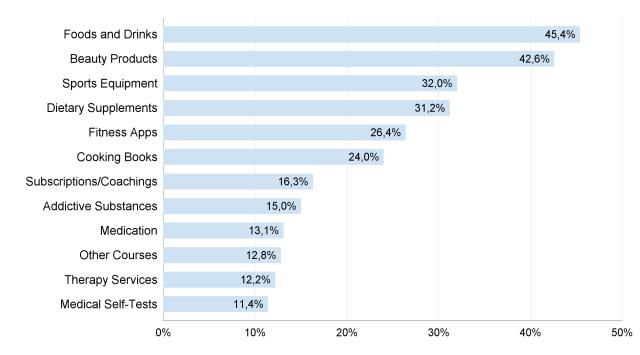
Health purchases of participants based on influencer recommendations. Participants were asked to indicate whether they had purchased each of the 12 different health products and services (0 = no, 1 = yes).
Not all of these recommendations can be expected to be evidence-based or safe, the authors caution, particularly when they involve untested supplements, self-diagnosis kits, or ultraprocessed foods. Thus, lead author Elena Engel emphasizes:
“Influencers can reach young audiences that traditional health campaigns often miss — but their commercial motives and lack of medical expertise also pose risks. Helping young people recognize and critically evaluate influencer content is crucial.”
The study also found that parasocial ties (one-sided emotional bonds with influencers) and problematic social media use (i.e., compulsive overreliance) make young people more susceptible to influencers’ marketing messages.In contrast, higher digital health literacy helps protect against misleading or harmful promotions.
The findings underscore the need for stronger media and health literacy education, as well as tighter regulation of influencer marketing — particularly for products such as dietary supplements, self-tests, or ultraprocessed foods.
The research was conducted within the Center for Social & Health Innovation at MCI and the Department of Communication at the University of Vienna. It was funded by the Austrian Science Fund (FWF, Project P 35052-G).
📘 Read the full open-access article
Share Content


© Vitaly Gariev on Unsplash
